

Game Shows of 2026 Have Entered the Era of “Dystopian Realism”
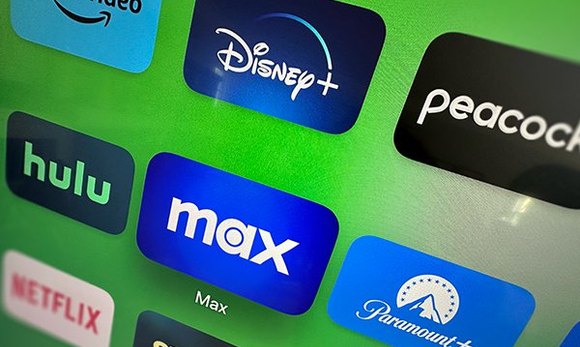
TV game shows are undergoing their most radical transformation in decades. Light-hearted quiz formats with polite studio applause are giving way to brutal trials where contestants operate at the limits of their physical and emotional resources. The catalyst for this change has been the explosive success of high-concept competition shows on Netflix, Prime Video, and Peacock. Streaming platforms set a new benchmark for dramatic stakes, budgets, and storytelling, leaving broadcast TV in the role of the one playing catch-up.
The genre’s tone has shifted from “family entertainment” to a format in which the camera captures the behavior of real people under pressure, in confined conditions, on the verge of breakdown. The viewer of 2026 comes not for entertainment in the conventional sense, but for tension that feels almost physical.
The Squid Game Effect Turned the Game into a Survival Test
Audiences are no longer willing to follow a competition for symbolic prizes. The highest-rated projects of this year are built on a survival logic, where every round feels like a turning point. What is at stake is not just money, but pride, reputation, and sometimes the contestants’ very sense of self-worth.
The formula for success consists of several elements:
– Isolating contestants from the outside world and their familiar surroundings.
– Stressful rules that change as the game progresses.
– Endurance challenges that demand physical and psychological resources simultaneously.
– An atmosphere of constant risk, where any decision could be the last.
Viewers do not need a final check with a large sum — they need the feeling that every second of screen time is charged with genuine tension.
Manipulation and Betrayal Instead of Correct Answers
Classic quiz shows, where victory depended on general knowledge, have been pushed to the sidelines. Knowing random facts in 2026 is worth far less than the ability to read a rival’s emotions and build fragile alliances that inevitably collapse.
The new generation of shows operates on a social experiment model. The key tools for contestants are psychological manipulation, bluffing, strategic trust, and calculated betrayal. Victory goes not to the one who knows the most, but to the one who understands people best. Audiences engage with the action at the level of a dramatic series, debating the moral choices of the participants as though they were fictional characters.
The Boom of Sports-Entertainment Hybrids in the Spirit of Physical 100
Alongside psychological games, projects in which spectacle takes center stage are gaining momentum. Sports-entertainment hybrids have become one of the genre’s main driving forces. Large-scale obstacle courses, elite athletic challenges, the raw texture of competition, and cinematic production with a fast editing pace turn such shows into must-watch content.
Notably, the appetite for interactivity and spectacle is evident not only on television screens and streaming platforms. According to several industry reports from 2025–2026, the popularity of live game shows in online formats is rising again after several years of decline. People want not just to watch what is happening, but to influence the outcome in real time, and the internet provides all the tools for that. Live-hosted wheel-of-fortune games, interactive rounds with instant feedback, and live game shows such as Crazy Time or Funky Time essentially reproduce the same formula of tension and unpredictability that drives the television genre. The only difference is that the viewer here is simultaneously a participant. This shift toward direct involvement confirms the broader trend: passive observation is giving way to formats where audiences want to feel the consequences of every decision for themselves.
The format resonates especially with Gen Z and millennials, for whom fitness and visual impact have long been part of everyday culture. However, such projects require substantial budgets and creative freedom, which inevitably shifts the balance of power within the industry.
Streamers Claim Innovation, Broadcast Networks Hold On to Legacy
Traditional TV networks continue to rely on recognizable franchises and legacy brands that have built loyal audiences over many years. This gives them stability, but not flexibility.
Streaming platforms, by contrast, have seized the space for experimentation. Fewer content restrictions, the ability to release entire seasons for binge-watching, large production budgets, and deep character development of contestants — whom viewers come to see as fully realized characters they root for — all play a role. It is the content distribution infrastructure that now dictates the standards of risk, storytelling, and scale.
Why the Formula Worked at This Particular Moment
All four shifts defining the genre in 2026 are connected by a single logic. Rising stakes, psychological gameplay, physical spectacle, and the leadership of streaming platforms all reflect the cultural uncertainty of the era. In a world where stability feels like a privilege, audiences seek “reality under pressure.” What is most compelling to watch is how ordinary people change when everything is genuinely on the line.
Sydney Unleashed is one of Australia’s premier entertainment publications exploring the latest in lifestyle trends. From Sydney’s finest restaurants, cafes and bars to the hottest in gadgets, products, and home entertainment, Sydney Unleashed is your one-stop lifestyle platform.