

Renovating an Older Property Without Safety Pitfalls
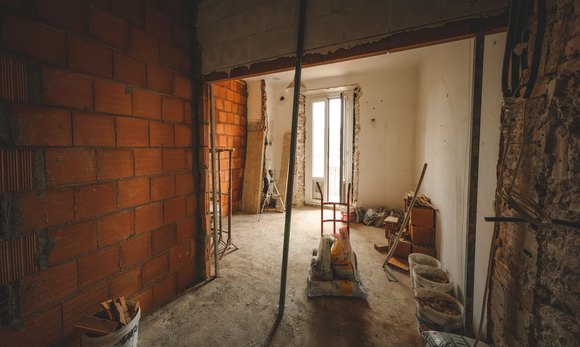
Older homes often have safety issues that only become apparent once a checkup or repair begins. A successful renovation starts with a thorough building assessment, clear plans, and a budget that allows for unexpected repairs. Before removing finishes or ordering fixtures, identify which original features you can retain and which systems need professional attention. This preparation helps preserve the property’s character while reducing the risk of hazardous materials, structural defects or compliance issues disrupting the project.
Preserving Character While Modernising
List the features that give the property its character before deciding what to replace. Original doors, decorative ceilings, timber floors and period hardware may only need careful restoration. These old house renovation tips offer useful guidance on retaining distinctive details while updating the home for everyday living.
Prioritise spending on areas that affect comfort and functionality, including insulation, plumbing and electrical systems. New cabinetry and appliances can complement restored timberwork if their proportions and colours suit the room. For more inspiration, explore how vintage and antique elements can sit naturally within contemporary interiors. Photograph rooms and label removed materials so builders know which pieces to protect and reinstall.
Hidden Hazards Behind Vintage Walls
Arrange an inspection before opening walls, lifting floors, or disturbing old ceilings. Depending on the property’s age, concealed risks may include asbestos-containing materials, lead-based paint, deteriorated wiring, moisture damage, and weakened framing. Qualified specialists should test suspicious materials and recommend safe removal or containment methods.
Renovations can also expose defects that affect a building’s fire safety, including gaps around service penetrations, damaged fire doors, and compromised fire-rated walls. These issues need attention before sealing the walls again. Property owners, strata managers and builders can turn to qualified fire safety services for fire stopping, door inspections, damper maintenance and compliance advice. Checking these elements while the structure’s exposed makes it easier to identify problems and complete the necessary repairs before finishing work begins.
Navigating Essential Code Requirements
Ask your building professional which approvals and inspections are required before work begins. Requirements vary by location and project scope, but structural changes, new plumbing, electrical upgrades and alterations to fire-rated building elements commonly require formal assessment. Apartments and shared buildings may also need approval from an owners corporation or strata body.
Give contractors the same approved drawings so everyone works from a consistent plan. Keep permits, product specifications, inspection reports and photographs in one digital folder. These records can help demonstrate that concealed work was completed correctly when you sell, insure or maintain the property. Guides to modernising older homes also show how thoughtful updates can meet contemporary needs without removing the features that make an older property appealing.
Smart Planning Prevents Costly Rework
Plan the renovation in stages, moving from investigation to structural repairs, concealed services, wall closure and final finishes. For example, complete wiring and plumbing changes before repairing decorative plaster. Installing fresh trim too early could mean removing it again when a tradesperson needs access behind the wall.
Before closing walls, take dated photographs showing pipes, cables, framing and repaired penetrations. These images create a practical reference for future maintenance and reduce the risk of damaging concealed services during later improvements. A final walkthrough should cover doors, ventilation, alarms, finishes, and all required compliance documents before releasing the final payment.
The best renovation record is one that another owner or contractor can understand years later. Store approved plans, warranties, test results, and photographs together, then document the exact paint colours and replacement products used. This simple archive makes future repairs easier and helps the home’s carefully preserved details survive the next round of work.
Sydney Unleashed is one of Australia’s premier entertainment publications exploring the latest in lifestyle trends. From Sydney’s finest restaurants, cafes and bars to the hottest in gadgets, products, and home entertainment, Sydney Unleashed is your one-stop lifestyle platform.